

Getting Pregnant

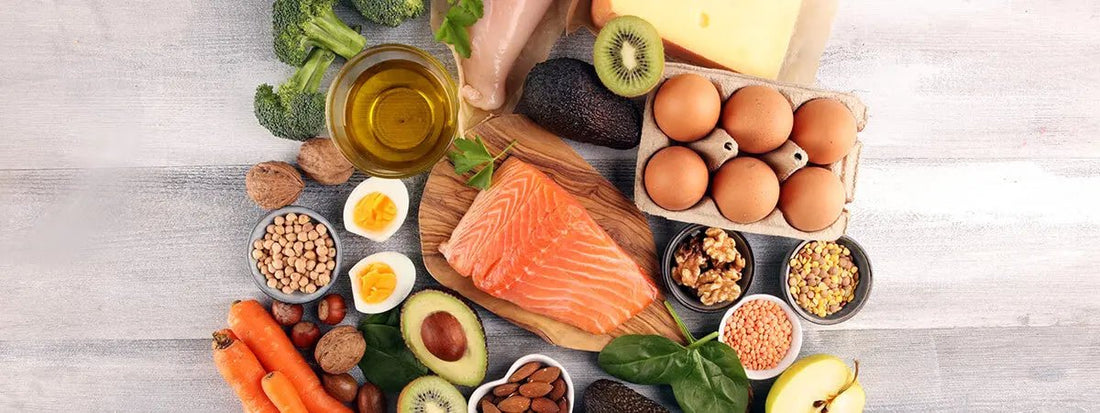
Preparing for pre-pregnancy diet
What you eat, and how much, can affect your chances of falling pregnant. If you’re trying to conceive, it may be a good idea to plan your pre-pregnancy diet more carefully. Providing your body with the proper nutrients will not only make it easier for you to conceive but will also ensure the healthy development of your baby in the womb. The best foods to eat are the same as those recommended for general well-being, such as whole grains, lots of fresh fruits and vegetables, and healthy proteins. Studies have shown that eating a lot of sugar or saturated fats when you’re pregnant, for instance, can increase your child’s chances of becoming overweight or suffering from high blood pressure later on in life. Although healthy meals should provide you with most of the nutrients you need, you may have to boost your diet with a few supplements. Below is a short outline of some of the most important nutrients you’ll need in a pre-pregnancy diet, as well as a few tips regarding things to avoid in early pregnancy. Folic Acid Women who are trying to fall pregnant should take 400 to 600 mcg of folic acid every day. Folic acid is the manmade version of folate, which is a B vitamin found in small amounts in foods such as leafy green vegetables, broccoli, beans, and chickpeas. Since there’s a good chance that your diet may not provide the amount needed, you should ensure that you have enough folic acid for pregnancy by taking supplements. If you’re a smoker or heavy drinker, or suffer from diabetes or epilepsy, you’ll need an even higher daily dose of folic acid. Folic acid is super important since it protects the baby against neural tube defects, such as spina bifida. Since most neural tube defects occur within the first 28 days after conception, it’s vital that you start taking folic acid before you fall pregnant. Many expecting mums don’t realise that they’re pregnant within the first few weeks, so they often start taking folic acid far too late. Pregnant women should continue to take folic acid until at least 12 weeks into the pregnancy. Iron Although a healthy diet will mostly provide you with enough iron, you need about twice the amount of iron that you do normally when you’re expecting. This is because the volume of blood in your body increases when you’re pregnant so that you can supply more oxygen to your baby. If you’re trying to conceive, you may also need to up your iron intake, especially if you suffer from heavy periods. Iron deficiency can cause anaemia, which is when you don’t have enough healthy red blood cells to provide adequate oxygen to your body’s tissues. Expecting mums who suffer from anaemia in pregnancy are at risk of giving birth prematurely. Low iron in pregnancy can also lead to postpartum depression and a low birth weight for your baby. Pregnant mums need to take 27 mg of iron a day. Luckily, good nutrition can prevent anaemia during pregnancy. Adding iron-rich foods such as legumes, leafy greens, chicken livers, fish, and shellfish will ensure a sufficient supply of the mineral. Calcium Calcium is a key mineral for pregnancy. Apart from the fact that you need healthy bones to cope with pregnancy, the baby also requires calcium for the development of vital body parts such as its skeleton, heart, muscles, nerves, and hormones. If your body is lacking in calcium when you’re pregnant, the fetus may start drawing calcium from your bones, which may cause health problems for you later in life, such as osteoporosis. In addition, low calcium during pregnancy can also cause premature birth and low birth weight. It’s therefore vital that you increase your calcium intake before and during pregnancy. The amount of calcium a mum needs depends on her age. While teen mums should take at least 1,300 mg of calcium a day, mums older than 19 need around 1,000 mg. Although dairy products have been lauded as calcium-enriching foods, you should be aware of the fact that protein leaches minerals out of the body, including calcium. It is far better to get your calcium from other food sources such as cooked greens, broccoli, tofu, and sesame seeds. You can also take a supplement if you’re worried that your diet contains too little calcium. Fibres Eating fibre-rich foods is essential for general health and well-being. An abundance of research has shown that eating enough fibre prevents heart disease, bowel cancer, diabetes, stroke, and multiple other illnesses. Fibre is essential for a healthy digestive tract since it acts like a broom that sweeps the body clean of waste. It’s a well-known fact that a healthy body makes it easier for women to conceive. In addition, if you’re healthy, your baby stands a far better chance of developing a strong and healthy system. Apart from keeping your blood sugar balanced, fibre helps the body get rid of excess hormones, such as oestrogen. According to research, a diet rich in fibre can lower the risk of ovulatory infertility. If you’re pregnant, be sure to also add plenty of fibre to your diet. Doing so will help prevent constipation, which is a common complaint among expecting mums. Pregnant mums need to ingest about 28 g of fibre a day. Good sources of fibre include fruits, vegetables, nuts, legumes, and whole grains. Proteins If you’re trying to fall pregnant, you want to reconsider your protein sources. According to research, your risk of ovulatory infertility may decrease by up to 50% if you replace some animal proteins, such as meat, fish, and eggs, with vegetable proteins in your diet. This is because insulin sensitivity is an important factor in ovulatory function and the sources of protein in a diet have been shown to influence insulin sensitivity. Good sources of vegetable proteins include beans, nuts, tofu, and seeds. If you can’t go without meat, opt for fish and leaner meats. When you eat red meat, be sure to trim your beef and lamb of fat to avoid unnecessary weight gain, which disrupts oestrogen levels. Also, some studies have shown that the chemicals contained in animal fats can make it more difficult to conceive. Although you should be careful about the sources of protein, it’s important that you consume enough protein when you’re pregnant. Pregnant women should eat about 70 to 100 g of protein daily. Protein is necessary for the proper development of your baby’s tissues and organs, such as the brain. Vitamin D Although this vitamin is often overlooked, it is actually very important for overall health. In addition, higher levels of vitamin D can be beneficial if you’re trying to conceive. Many people, however, don’t know whether their vitamin D levels are sufficient. Studies have shown that up to 20 to 52% of women of reproductive age don’t have adequate levels of vitamin D. Men also need vitamin D for healthy sperm function. If you’re trying to conceive, ensure that you take at least 10 mcg of vitamin D daily. Apart from increasing your chances of natural conception, higher vitamin D levels have also been linked to higher IVF pregnancy rates and live birth rates. You should continue to take vitamin D throughout your pregnancy. Vitamin D is essential for the proper absorption of calcium and phosphate in your body. Apart from keeping your body healthy, vitamin D will also aid the development of your baby’s bones, teeth, heart, and nervous system. Although you can get vitamin D from the sun, you may not always get enough exposure to sunlight to allow your body to produce the vitamin. Also, the skin of women of Asian, African, and Middle-Eastern descent needs longer exposure to the sun to synthesise vitamin D. Some foods, such as salmon, sardines, cod liver oil, canned tuna, mushrooms, and egg yolks are good sources of vitamin D. If you rarely eat these foods, it’s best to take a supplement. Omega-3 Fatty Acids The multiple health benefits of omega-3 fatty acids are well-documented. These good fats can lower inflammation in the body and improve your heart health. The good news is that several studies have shown a correlation between healthy fats and increased fertility. This is because Omega-3 fatty acids help with regulating reproductive hormones and also allow for improved blood flow to the reproductive organs. In addition, healthy fats may improve the quality of a woman’s eggs, which increases the chances of successful fertilisation. Omega-3 fatty acids are also crucial for the healthy development of the fetus. They are essential for the neurological and early visual development of a baby. Omega-3 oils also have positive effects on pregnancy since they have been shown to increase birth weight and prevent premature birth. They also decrease the risk of preeclampsia, which is a condition that can lead to serious complications for the mother, such as liver or renal failure. Fatty fish such as salmon, tuna, and sardines are excellent sources of Omega-3 fatty acids. If you’re not a fan of fish, you can get your Omega-3 fats from flaxseed, linseed, almonds, walnuts, and pumpkin seeds. Stop With Bad Habits It’s important that you learn which foods and substances to avoid in early pregnancy and also what to avoid during pregnancy in general. Firstly, stay away from sugary foods and drinks and also saturated fats. The intake of saturated fats has been linked to lower fertility rates, and so have diets that contain high levels of sugars. Here are a few other substances that you should avoid if you’re pregnant or trying to fall pregnant. Caffeine Although you don’t have to give up your morning cup of coffee, it’s advisable to limit your caffeine intake if you’re trying to conceive. Some studies have concluded that women who drink lots of caffeine may take longer to conceive. A high caffeine intake may also slightly increase the risk of miscarriage and low birth weight. You should remember that everything you ingest passes through the umbilical cord to your baby. In addition, research states that caffeine can lead to the constriction of blood vessels in the uterus and placenta, which can decrease the blood supply to the fetus. Caffeine may also cause rapid weight gain in babies after birth because of the disruption of fetal stress hormones. According to experts, expecting mums should limit their caffeine intake to 200 mg a day, which amounts to about one mug of filter coffee. Remember that apart from coffee, other drinks such as tea, coke, and energy drinks also contain caffeine. Smoking Smoking has a markedly negative effect on reproductive health. This is the case for both males and females. In females, smoking can cause delayed conception, since the introduction of the toxic substances in cigarettes to the ovaries can kill eggs. Since eggs can never be replaced, this damage is permanent and often leads to earlier menopause in female smokers. Smoking can also cause miscarriage. One of the common negative effects of smoking is a condition called ectopic pregnancy, which is when a fertilised egg implants outside of the uterus. Smoking also causes changes to occur in the lining of the uterus, which can cause miscarriage too. Even if you’re able to conceive and give birth, smoking will negatively affect the well-being of your baby. Apart from premature birth and lower birth weights, smoking can cause genetic diseases, such as Down syndrome, as well as a multitude of other defects, such as heart problems and skull deformation. Alcohol Although a glass of wine every now and then is OK, you should limit your alcohol intake if you’re trying to conceive. If you regularly drink more than seven drinks a week or more than three drinks per occasion, you are more likely to suffer from fertility problems. This is because alcohol negatively affects ovulation and cycle regulation. Drinking alcohol can also lead to an early miscarriage since it can prevent the proper implantation of the egg in the uterus. If you’re trying to conceive, encourage your partner to also drink less, or abstain from alcohol. In men, drinking can negatively affect sperm production. Once you’re pregnant, it’s advisable to completely quit drinking. Alcohol can cause multiple problems for a baby during pregnancy. Apart from affecting brain development, alcohol can cause growth and central nervous system problems. FAQs What Foods Are Best for Fertility? Opt for a healthy and nutritious diet if you’re trying to conceive. Ensure that your diet is varied and includes many different vegetables, fruits, and legumes, to ensure that you ingest all the nutrients your body needs. Also, remember to include omega-3 fatty acids in your diet. Which Fruit Is Best for Fertility? Apart from being an excellent source of vitamin C, grapefruits and oranges are beneficial for egg and semen health. This is because they contain polyamine putrescine, which plays an important role in the regulation of human cells.
Learn more
Fertility Awareness
Fertility awareness methods have taken the fertility world by storm. From classes regarding how to implement the technique to books and phone applications to track your fertility status, there is a ton of buzz around this method of trying to conceive, or in some cases, prevent pregnancy, and rightfully so. Many women love fertility awareness because it's a natural way of controlling conception. On top of eliminating the need for hormonal birth control (for some women), fertility awareness allows us to be more in touch with our bodies, primarily our reproductive system. It's incredibly empowering, and we'll dig into it in this article. What is Fertility Awareness? Fertility awareness encompasses a set of practices that naturally determine the infertile and fertile phases of a woman's menstrual cycle. Fertility awareness methods are essentially free, and you can use them to prevent and achieve pregnancy. Fertility awareness is a fantastic way to monitor gynaecological health, as well. Fertility awareness is available to everyone, but it's not foolproof, and you must know how to identify the signs of fertility before you use it, especially if you're avoiding pregnancy at this time. Fertility awareness is a superweapon to add to your fertility arsenal for women who want to become pregnant. Also referred to as "natural family planning" and a "calendar method to avoid pregnancy", fertility awareness is often taught at GYN offices. A few methods fall under the umbrella of fertility awareness, and you can use them separately or combine them for more effective results. Let's get into it! What are Fertility Awareness Methods? There are four recognized fertility awareness methods of conception. These include: Standard days Cervical Mucus Basal Body Temperature Symptothermal Method The Standard Days Method The Standard Days method follows the standard rule of which days women are typically most fertile during the menstrual cycle. For example, if your cycle usually falls between 26 and 32 days, then days 8 through 19 of your cycle are the most fertile. To prevent pregnancy, you'll want to avoid intercourse or use a barrier method these days. However, if you're trying to conceive, these days would be the best time to have intercourse, either every day or every other day. The Standard Days method can be a bit inaccurate on its own, seeing as cycles vary, but combined with other components, it's very effective. The Cervical Mucus Method The Cervical Mucus method involves recognizing the changes in the fluid produced by the cervix to identify when you're most fertile. Before you ovulate, your body will have a noticeably more significant amount of cervical mucus, and the consistency changes to that of egg whites, thin, clear, and slippery. When you've finished ovulating, the amount of mucus will decrease, and it will become thicker to slow down any sperm entering the body naturally. When you notice the change in your cervical mucus, you'll want to employ a barrier method or have sex more often, depending on your desired results. Checking your mucus is easier than you might think, and often, you can find the results right on your toilet paper! If you're not coming across enough mucus to determine if you're fertile or not, you can use your finger too; ensure that your hands are clean. The Basal Body Temperature Method Your basal body temperature, or your BBT, is the temperature of your body when it's entirely at rest. In most women, BBT rises slightly during ovulation, and it will remain high throughout the end of the menstrual cycle. Now, your most fertile days come before this increase in body temperature, so tracking it consistently for more accurate predictions is essential. To correctly take your BBT, you'll want to do it in bed before you've gotten up to take part in your daily activities. Record this temperature daily for the best results. To prevent or become pregnant, this method is not best when used on its own, but you can couple it with other methods. The Symptothermal Method The symptothermal method combines the BBT (or natural birth control temperature) and cervical mucus methods and includes an electric hormonal fertility monitor. This monitor can be purchased online and detects hormones in the urine on fertile days. This is a fantastic addition to your fertility awareness journey, and you can use the standard days' method to double-check your fertile time. Again, these methods alone aren't so effective, but they become a powerful way to predict ovulation and times of fertility when combined. How Does the Fertility Awareness Method Work? This natural method of family planning typically utilizes a tracker or fertility awareness method app that allows you to see your cycle in the form of a pattern. Also, considering a calendar method of family planning, you should practice fertility awareness for a few months before removing a barrier method if trying to prevent pregnancy. If you want to become pregnant, don't get frustrated when your first month goes by without a confirmed pregnancy. It takes time to establish how your cycle works, and patience is the key here. Fertility awareness methods work the best when they work together, and using only one will leave you questioning whether or not you're genuinely fertile at a particular time. When you use these methods together, you always have information to fall back on. Our bodies are in a constant state of change, so natural family planning means taking every piece of information given to us, from temperature spikes to mucus. How Effective are They? Women everywhere consistently question the fertility awareness method effectiveness, and honestly, we can't blame you! We've been so conditioned to think we can't trust our bodies that we automatically believe relying on something outside of us is the answer to preventing or becoming pregnant. While this assumption is valid sometimes, it's not always the case. The issue with the effectiveness of FAMs, just as with standard birth control, is that you've got to use them ideally to prevent pregnancy. Planned Parenthood reports that fertility awareness methods are around 76% to 88% effective, meaning that 12 to 14 couples that use FAMs will become pregnant each year. However, as we've already stated, their effectiveness increases when these methods are combined. There's no denying that fertility awareness methods can be challenging to use, but this is why assistance is available. Advantages and Disadvantages There are plenty of pros and cons surrounding the topic of fertility awareness methods as a form of birth control or predicting fertility. Most agree that these methods are better when used to become pregnant rather than preventing pregnancy. Regardless of what you'd like to use FAMs for, it's good to explore the advantages and disadvantages, so you can get a better idea of where you stand on the topic. Advantages There are a few undeniable advantages of fertility awareness methods, one of them being that they're free. All you need is a good thermometer, a way to track your cycle (trackers are available in PDF print files around the internet, and phone applications do the same), and your body. Fertility awareness methods are a fantastic way to learn about your body and fertility, which are powerful sexual health tools. Also, fertility awareness methods don't have any unwanted side effects, which tend to come with traditional birth control methods. Once you get used to employing these methods, they can be a good predictor of when you're fertile. Disadvantages FAMs have their disadvantages too, and one that we cannot ignore is the high failure rates when used incorrectly and inconsistently. Also, you might find that you have fewer days considered "safe" to have intercourse each month, especially in the beginning, and you'll use a barrier method anyway. Training to use FAMs is essential, and while there are tools available on the internet and locally, not all women have access to the proper training required. Also, illness, breastfeeding, and other fertility factors may interfere with results. Overall, if you're considering FAMs, you'll want to discuss them with your doctor. They will give you access to the information you need and let you know if this is a path you could take based on your medical history. Frequently Asked Questions As the demand for hormone-free birth control skyrockets, more women than ever have expressed an interest in fertility awareness methods. Here are some FAQs! Why is fertility awareness necessary? Even when using traditional birth control methods, such as the pill or condoms, knowing when you're fertile can help you prevent pregnancy if your primary plan fails. Also, understanding when your body is fertile is a fantastic way to speed along the conception process. It doesn't have to be your preferred method of family planning, but FAMs help us take control over our reproductive health. How can I make FAMs more effective? You can make FAMs more effective by using all methods at once, from standard days to BBT. If you're using natural family planning to prevent pregnancy, give yourself a couple of months to familiarize yourself with it, and use a barrier method in the meantime, or always, if that makes you more comfortable. Consistency and knowledge are necessary when it comes to fertility awareness methods. Talking to your doctor is a great way to gain the expertise required to use FAMs to enhance your reproductive journey, no matter what that might be.
Learn more
How smoking affects fertility
The adverse effects of smoking on health are well-known. Most people are aware of the fact that smoking can cause cancer, lung diseases, heart problems, diabetes, and multiple other illnesses. The effects of smoking on fertility and the health of babies, however, are not always fully understood. The harmful chemicals in cigarettes, such as nicotine, hydrogen cyanide, arsenic, and carbon monoxide, negatively affect the whole body, and this includes the reproductive system. Although some people may think that smoking only has an impact on female fertility, male fertility is affected just as much. If you’re smoking while trying to conceive, remember that there’s a direct correlation between the risk of infertility and the number of cigarettes you smoke a day. Here’s some more information on smoking and pregnancy. Effects of Smoking on Male Fertility While roughly 50% of infertility cases are due to female fertility problems, male fertility issues account for approximately 30% of cases. In the other 20% of cases, a combination of male and female factors makes it difficult for a couple to conceive. So, how does smoking affect fertility in males? Well, firstly, smoking can cause erectile dysfunction in men, which obviously makes falling pregnant more challenging. According to an article in the Journal of Andrology, there is a significant correlation between the number of cigarettes a man smokes a day and the risk of erectile dysfunction. Men who, for instance, smoke more than 20 cigarettes a day are far more at risk than those who smoke under 10 cigarettes. In addition, the heavy metals in cigarettes, such as cadmium and lead, have been shown to adversely affect semen quality and cause DNA damage. There are multiple other ways of how smoking affects sperm. Apart from lowering the sperm count, smoking also affects the sperm’s normal swimming patterns. What's more, smoking decreases the sperm’s ability to fertilize eggs. Effects of Smoking on Female Fertility Smoking also affects female fertility in multiple ways. Apart from making it more difficult to fall pregnant, smoking can cause complications during pregnancy. Smoking introduces toxic substances to a woman’s ovaries, which can kill eggs. Since eggs can’t be regenerated, women who smoke tend to enter menopause a few years earlier than their non-smoking counterparts. Women who have fewer eggs obviously have a reduced chance of falling pregnant. However, even if the toxins in cigarettes don’t kill eggs, they diminish their quality, which increases the risk that fertilised eggs will develop abnormally. The risk of miscarriage also increases, since apart from damaging eggs, smoking can also cause changes in the uterine lining. One of the most concerning possible effects of smoking is a complication known as ectopic pregnancy, which is when a fertilized egg lies outside of the uterus, such as in the fallopian tubes. If the egg keeps growing in the fallopian tubes, for instance, the tubes could burst. Regardless of where the egg implants outside of the uterus, the pregnancy can’t continue. It’s important to note that smoking also reduces the success rate of fertility treatments, such as in-vitro fertilisation (IVF). According to studies, women who smoke are 50% less likely to become pregnant and stay pregnant during their treatment cycle than non-smokers. Can Smoking Continue To Affect My Baby? Even if smokers manage to fall pregnant and deliver their babies, the unfortunate truth is that babies can also be negatively affected after birth. Since smoking damages the genetic material in eggs and sperm, the babies of smokers have a bigger chance of suffering from defects. Apart from heart and cardiovascular defects, babies of smokers may suffer from facial deformations, gastrointestinal defects, limb defects, skull deformation, and many other conditions. Women who smoke are also more likely to give birth to babies with genetic diseases, such as Down syndrome. Even when smokers give birth to babies who don’t suffer from any serious defects, they often have lower birth weights or may arrive prematurely. In addition, babies of smokers are more at risk of developing medical problems later on in life. Possible health issues include diabetes, obesity, cardiovascular disease, and asthma. The Benefits of Stopping Smoking If you’re a smoker, don’t despair. There is good news. If you stop smoking, you can drastically improve your chances of falling pregnant and giving birth to a healthy baby. Although some of the damage from smoking, such as eggs that have died, can’t be undone, the good news is that a lot of the damage can actually be reversed. The longer you abstain from smoking, the lower the risk of pregnancy complications. Since sperm takes about three months to mature, males should try to quit at least three months before they try to make a baby. Doing so will ensure that their sperm is healthier and the chances of fertilising an egg will be much greater. When a woman quits, the lining of her womb improves, which increases her chances of falling pregnant. Stopping smoking also reduces the risk of having a miscarriage, giving birth prematurely, or giving birth to a baby with defects. Quitting will also be very beneficial to those who are going through fertility treatments. FAQs Could Second-Hand Smoke Influence My Chances of Conceiving? If you’re wondering whether your husband smoking while trying to conceive is an issue, the answer is yes. Even if you don’t smoke, breathing in the second-hand smoke of your partner could pose similar risks to if you inhaled your own cigarette smoke. Can I Cut Down Instead of Stopping? Although smoking less is beneficial, you should understand that smoking is bad for fertility and pregnancy, even if you only smoke a few cigarettes a day. Unfortunately, smoking only one to five cigarettes a day increases the risk for ectopic pregnancy and you are still at risk of giving birth prematurely. Low-tar and low-nicotine cigarettes don’t really help. They are still very harmful to a baby. Can I Smoke E-Cigarettes? Since e-cigarettes don't burn tobacco, they impart less harmful toxins than cigarettes do. They also don't produce carbon monoxide. For these reasons, they are considered safer. However, the studies on e-cigarettes are not conclusive. You and your baby will be healthier if you completely quit.
Learn more
Plus-size and planning a pregnancy? Read this
If you're searching for more information on weight loss being overweight and trying to conceive, or you're searching to learn more information on health risks for fat pregnant women, you're likely working to get as healthy as possible before you welcome a little one into your life. Here, we'll explore everything that you need to know about how to achieve a healthy weight before you begin trying to conceive. Calculate Your BMI BMI, or body mass index, is a height-to-weight ratio. Doctors and other medical professionals use BMI to categorize whether people are underweight, a healthy weight, overweight, or obese. It's simple to calculate your BMI. Simply take your weight in kilograms and divide by the square of your height in meters. Then, find the result on a BMI chart to discover your BMI. A BMI that falls between 19 and 24 is considered to be within the healthy range. A BMI under 21 is considered underweight, and a BMI over 24 is considered overweight or obese. Racial factors and other considerations need to be made when deciding on a healthy BMI goal. Your doctor can help you decide what BMI makes the most sense for your body. Signs You Could Be Overweight It can be hard to tell when you're overweight, and working closely with your doctor to determine a healthy weight range for your body can be the first step in discovering that slimming down may be the best choice for your body. Some signs that you may be overweight include: Sweating more than usual when engaging in physical activity Pain in the joints, especially when going up stairs or standing for long periods of time Snoring and other sleep disturbances Excess body fat (especially in the abdomen) Change in ability to perform physically demanding tasks If you've noticed signs that you may be overweight, you're not alone. Many people struggle with their weight, and it can be hard to reach out for help. Doing so, however, can set you up for a healthy pregnancy, and achieving your ideal weight can make it less likely that you'll need to work toward weight loss during pregnancy. How Does a High BMI Affect Your Fertility? Unfortunately, having a BMI in the overweight or obese category may make it harder to get pregnant. Underweight women often have significant difficulties conceiving as well. A BMI in the healthy range creates the best environment for a healthy pregnancy. It's important to note that some women with a high BMI have no problem getting pregnant, but struggle with health issues as their baby develops due to health issues caused by being overweight and pregnant. BMI and Pregnancy Risks There are several overweight pregnancy risks, including: Gestational diabetes Obstructive sleep apnea High birth weight Childhood health problems, including childhood obesity and asthma Growth challenges Your doctor may recommend specialized care to keep you and your baby healthy throughout your pregnancy. This may include early screening for gestational diabetes, different approaches to ultrasounds, and dietary changes to support the healthy growth of your baby throughout your pregnancy. Men, Weight, and Fertility Men who are overweight can have fertility issues. Sometimes, excess body fat disrupts reproductive hormones. Men who have an imbalance of testosterone and other reproductive hormones may experience fertility struggles, including low sperm count and low sperm movement. How to Lose Weight in a Healthy Way? If you're getting ready for pregnancy and want to lose weight, it's important to establish healthy habits that can last throughout your pregnancy and beyond. While crash diets and other quick-fix options can seem tempting, these methods rarely result in lasting weight loss and aren't a healthy option. Keep these tips in mind when you're working to lose weight in a healthy way: Easy does it. Losing weight at a slower pace—about one kilogram per week—is a sustainable goal for most people working through a weight loss program. Drink up. Drinking three liters of water per day is a good start to meet your hydration needs. Get moving. While the majority of your caloric burn won't come from exercise, moving your body is still an important part of your weight loss plan. Twenty to thirty minutes a few times each week is a good place to start. Look for a type of exercise that you enjoy, and gradually up the intensity as your fitness develops. Stop snacking. Weight loss advice of the past advised snacking every couple of hours to keep hunger at bay, but the latest research disagrees. Instead, aim for three balanced, veggie-heavy meals each day. Eat until you're full, and stop when you're done. FAQ Q: What's the best weight for pregnancy? A: Your healthy pre-pregnancy weight depends on many factors. You'll want to aim for a BMI between 19 and 24. Q: What's the healthiest way to lose weight before pregnancy? A: Set a slow, steady weight loss goal, move your body a few times each week, drink plenty of water, eliminate snacking between meals, and work to increase your daily veggie intake. Q: What risks are associated with being overweight and pregnant? Women who are overweight during pregnancy have a higher risk of gestational diabetes and obstructive sleep apnea. Babies born to women who are overweight during pregnancy may experience high birth weight, growth issues, childhood obesity, and childhood asthma. Is it healthy to lose weight before getting pregnant? If you're currently overweight, beginning a healthy exercise and nutrition plan before you try to get pregnant can be a smart way to keep you and your baby healthy. It's smart to talk with your doctor about their recommendations for a healthy weight. Losing weight too quickly can negatively affect your fertility, so you'll want to be sure you're working through your weight loss at a healthy pace. Losing just 10% of your body weight can have significant health benefits. Whether you're thinking about getting pregnant or actively trying to conceive, following a plan to reach a healthy body weight is a smart move for your health. Be sure to carefully monitor your pregnancy status as you try to conceive, as weight loss during pregnancy may require a different approach than weight loss before pregnancy. Is there an ideal weight if I want to get pregnant? Dr. Alan Peaceman, chief of fetal medicine at Chicago's Northwestern Memorial Hospital, says that weight loss before pregnancy is a good idea for women who are overweight. Peaceman says that weight loss isn't just healthy for overweight women who want to become pregnant—it can also reduce lifetime health risks for their babies. Peaceman says, "Research suggests that overweight mothers are programming babies in utero to be overweight themselves and to have long-term problems with obesity and childhood diabetes." Your ideal weight depends on several factors, including your starting weight, age, health conditions, your activity level, the amount of muscle mass you have, how often you exercise, and more. If you're interested in learning more about a healthy weight for women, like yourself, who want to conceive, it's smart to make an appointment with your doctor to talk about a healthy weight goal for your body.
Learn more
How to Boost Your Fertility?
Once you have decided that you want to get into parenthood, you are not certain about the exact time you will receive a positive pregnancy test. However, if you are pretty healthy and not using any birth control method, you should be able to get pregnant within the first year. According to research, about half of trying couples get pregnant within the first six months, while about 70-80% get pregnant within the first year. However, it is possible to increase your chances of getting pregnant if you do the following: Come off the pill By coming off the pill, you are preparing your body for conception. The time you will take to conceive is dependent on the specific birth control method you were using and whether it had the progestin or estrogen hormone. When you start using birth control, you do not need to worry about it having any noxious effect on your fertility when you decide to conceive. This is because all birth control pills are designed to have no interference with your conception and growth of the fetus. Your body does not need a lot of time to be free from the birth control inhibited hormones, and in most scenarios, you will be able to conceive within a two-month window. Of course, your genes and lifestyle habits will also play a big role in how soon you conceive and start the exciting pregnancy journey. In the event that you want to stop the use of hormonal birth control but do not feel ready to conceive, you can use condoms until you are ready. The condom and diaphragm are referred to as barrier birth control methods, and they have no impact on your fertility. Once you stop using them, your ability to have a smooth conception returns to normal. Know when you ovulate One of the most effective ways to increase fertility is by having sex at the right time during your cycle. If you have regular cycles, your body will be ready to ovulate two weeks before you get your periods. Your fertile window will be seven days ahead of your expected ovulation date in this scenario. During the fertile window, you should see if the conception will happen. On the other hand, if you have an irregular cycle, it might prove a little difficult to predict your ovulation day and when you will be fertile. However, you can use the following techniques to find out your ovulation and fertility windows. a) Having an ovulation predictor kit from your pharmacy An ovulation predictor kit looks and works similarly to a urine pregnancy kit. To use it, you need to urinate on it a few days before you think you will ovulate. The strip detects the luteinizing hormone (LH) that reveals itself before ovulation. If you happen to get a positive result, refer to your test kit’s instructions manual, and it will guide you whether you need to have sex the same day. b) Measuring your basal body temperature When you measure your basal body temperature after waking up, you might be able to notice when it rises and if it does, take it as a clue that you have ovulated. Ensure that you have sex within 24 hours, since a fertile egg stays for only 24 hours. c) Look out for any changes in your cervical mucus If you observe that your cervical mucus has increased, become thin and slippery, take it as a cue to have sex each day until you ovulate. You will notice that your cervical mucus is thick, sticky, and may also appear cloudy with ovulation. By using one of the methods indicated above, you will slowly learn how ovulation affects you and you will be able to know how to increase your fertility for immediate and future conception. Do not drink alcohol If you want a smoother journey while trying to conceive, you might find it necessary to avoid all alcoholic drinks within a month of the fertility cycle. Studies have shown that alcohol intake inhibits natural conception. In addition, women who drink large amounts of alcohol are at a higher risk of getting infertile when compared to women who do not. If you imbibe red wine, you may need to stop it when trying to conceive. Researchers found that it contains resveratrol, a naturally occurring polyphenol with inflammatory properties. In addition, many studies have indicated that long-term consumption of alcohol has a direct diminishing effect on the ovarian reserve for all women who are of reproductive age. So, if you are looking for the most efficient natural ways to increase your fertility, understand that drinking alcohol will not add you any value. Maintain a healthy weight When you are overweight and trying to conceive, you affect the quality of your eggs. You also experience more irregular cycles and, in many instances, fail to ovulate. According to research, losing just a small percentage of your body weight can boost your fertility and decrease any risks you might have in your pregnancy. However, it is important to note that being too thin affects your fertility. You risk having a preterm pregnancy or your baby having very little weight. Being underweight also causes irregular periods. Just ensure that your weight is within the normal BMI range. Eat healthy foods Diet is one of the major contributors to helping you conceive. Diet has a serious impact on your fertility, and therefore, it is important to maintain a healthy diet that has all the main food groups and the correct amount of nutrients. If you do not know how to boost your fertility after 35, try ensuring that your budget has low carbs like beans, lentils, porridge and not heavily processed carbs, since they do not get digested quickly. It is also important to go for unsaturated fats compared to saturated fats since they contain omega-3 fatty acids. Be active By eating healthily and exercising regularly, you maintain a healthy lifestyle and improve your conception chances by a very big margin. In addition, regular exercise is responsible for boosting happy hormone endorphins, losing excess weight, reducing stress, lowering cholesterol and maintaining heart function. To get started, you do not need to exercise a lot; you just need to identify your favorite exercise activity and create a daily routine for five days a week. You can start with short ten-minute exercises and increase as you continue. A study found that by exercising for a cumulative four hours per week, a woman’s body becomes more active and, in the process, more receptive to conception. So postnatal exercise is not only important for your well-being, it plays a very big role in getting back into shape soon after the pregnancy. Do Yoga exercises Yoga exercises for pregnancy are among the most efficient natural ways to increase fertility. This is because yoga focuses on three main benefits; improving circulation, reducing stress and improving flexibility. Yoga plays a crucial role in women yearning to become pregnant because it focuses on the hip and pelvic area when it comes to enhancing flexibility. Below are a few yoga moves that will greatly enhance the conception journey. Please note that if you have any medical condition, it is important to consult your doctor before starting yoga exercises. a) Restorative moves These exercises are very good since they reduce anxiety, tension, and stress linked to infertility. When stressed, your body produces cortisol, which has a negative effect on your reproductive health. By doing the exercises once or twice per day, you will be setting yourself free from any stress or anxiety. b) Extended puppy nose When you do this exercise, you go onto all fours and elevate your shoulders above your wrists and your hips above your knees. To execute it properly, keep your feet relaxed and the top facing upward when you have knelt. Next, inhale deeply and spread your fingers and push your palms to the mat while keeping the arms engaged with your elbows. Pressing your tailbone towards the ceiling and lowering your forehead to the exercising mat, ensure that you stretch and lengthen your spine. Hold the position for 30 seconds to a minute and exhale as you walk your hands to the previous position. Repeat the exercise three to four times. c) Legs up the wall First, lie flatly on your back, exhale deeply, and sit up. Proceed to lower your shoulders and back to the mat and simultaneously straighten your legs against the wall to form a 90-degree angle. Rest your arms by your side with the palms facing up in this position. Breathe deeply and allow your torso to lay on the ground and release all the tension in your pelvic area. For the best relaxation, hold this position between 5 and 15 minutes. Deal with stress If you are stressed, you will have a much harder time when it comes to conceiving. In many instances, when people are stressed, they lack the needed sex appetite, which is instrumental for any couple that wants to get pregnant. When you have chronic stress, you are exposed to flight-or-fight hormones like cortisol and adrenaline, which are bad for general health. When humans are stressed, they produce a hormone called prolactin which is also produced by breastfeeding women to inhibit ovulation, making the conception process more difficult. On the other hand, if you are not stressed, you will always be relaxed, which will prepare your mind and body for the conceiving process. Dealing with stress should not be emphasized at the conception stage alone; it should follow during the pregnancy and after the baby is born. When the mind is fed with positive thoughts and energies, it solves surrounding challenges easily.
Learn more
Why am I not getting pregnant?
If you're finding yourself searching questions like "why am I not getting pregnant?" or "what's the reason for not getting pregnant when everything is normal?" you're likely frustrated, disheartened, and disappointed. It's hard when you're doing everything you can to get pregnant and nothing seems to be working. Here, we'll take a look at some different factors that can play a role in making it difficult to get pregnant. You're Not Trying Long Enough Most health experts recommend that couples try to get pregnant for six months to a year before entertaining the idea that something could be hindering the process. It's important to understand when a woman can not get pregnant and when a woman can get pregnant, and the exact window of the menstrual cycle during which a pregnancy can begin differs from woman to woman. If you've been trying to get pregnant for a few months to no avail, try not to stress. Take your time and enjoy the process, and reach out to your doctor if you're over 35 and more than six months pass without you getting pregnant, or if you're under 35 and more than 12 months pass without you getting pregnant. Infertility Many health conditions can cause infertility in both men and women. In men, infertility problems occur when sperm is not produced in large quantities or when sperm have poor mobility. In women, infertility is often caused by problems with ovulation, the time in a woman's cycle when an egg is released from the ovary. Sometimes, infertility is related to something specific, such as a past illness or medical treatment. Other times, the root cause of infertility is harder to find. Thyroid issues, age, endometriosis, and hormonal issues can all contribute to infertility. Thankfully, many medications and treatments can make pregnancy more likely for couples who are dealing with infertility. If you've been trying to become pregnant without success, talk with your doctor about whether it's time to explore fertility treatments. Your doctor may have new ideas for you to try, or they may refer you to an endocrinologist, a doctor who specializes in hormonal and fertility issues. An endocrinologist can also help couples who have experienced recurrent pregnancy loss. Age-Related Infertility The answer to when can a woman not get pregnant is complicated, as age-related fertility decline happens differently from woman to woman. Most women experience peak fertility between their late teens and late twenties. Many researchers believe that women are born with a finite number of eggs in their ovaries. Over time, fewer eggs remain. The quality of eggs also decreases over time, and eggs that remain later in life are more likely to have chromosomal abnormalities than eggs that are released earlier. Around age 30, most women experience a decline in fertility. This decline speeds up around age 35. Many women around this age experience regular periods but not getting pregnant, which can be frustrating when you're trying to conceive. As mentioned above, women who want to get pregnant at age 35 or later and do not conceive within six months should talk to their doctor about fertility treatments. Other Medical Conditions Many health conditions can make it difficult to conceive. Some of these conditions go unnoticed until a woman seeks help with her fertility because she is getting regular periods but not getting pregnant. Medical conditions that can result in fertility problems include: Menopause: In most women, menopause occurs around age 50. Some women experience an early onset of menopause, which can cause infertility. Signs of early menopause include sleep disturbances, sweating, changes in the menstrual cycle, urinary changes, and mood changes. Hypothalamus and/or pituitary gland problems: The hypothalamus and pituitary gland work together to produce the hormones that help the ovaries function normally. Problems with the hypothalamus and/or the pituitary gland can cause problems with ovarian function, which can lead to difficulty getting pregnant. You're Not Ovulating If you've tracked your cycle, you likely know the safe days for not getting pregnant as well as the days to have sex if you want to conceive. It's important that you have sex before, during, and/or after you're ovulating to increase your chances of getting pregnant. Typically, women ovulate between days 11 and 21 of their cycle. There are a few different options to track your ovulation. You can use a calendar or an app on your phone to track your cycle, providing insights into likely ovulation. You can also track your basal body temperature, as it will steadily increase as you're ovulating. If you prefer a more concrete way to know whether you're ovulating, you may want to try ovulation test strips. Much like a pregnancy test, an ovulation test tells you whether you're about to ovulate by detecting hormone levels in your urine. Having Too Much Sex Or Not Enough If you're trying to get pregnant, it's important that you're having plenty of time with your partner in the bedroom. Not having sex often enough—or having sex too often—can both interfere with your ability to get pregnant. Most experts suggest aiming for having sex every day or every other day when you're ovulating. Too much sex can leave you tired and burned out, which can affect your ability to get pregnant as well. Talk with your partner about how often you feel comfortable having sex and be sure to pay close attention to your ovulation window to increase your chances of conception. Stress Wondering what are the reasons for not getting pregnant? Unfortunately, stress—an unavoidable part of life—can have devastating effects on fertility. Everyone's stress tolerance level is different. The way your body responds to stress, as well as the ways you manage your stress, can affect your fertility. Stress can cause changes to ovulation or can stop the body from ovulating at all. If you're under high levels of stress and wondering why am I not getting pregnant yet, it's a smart idea to consider incorporating some stress management techniques into your routine. Getting plenty of sleep, exercising regularly, eliminating alcohol, and practicing mindfulness (such as meditation or yoga) can help decrease your stress levels and increase your chances of getting pregnant. What To Do? If you're living with infertility, you're not alone. Thankfully, you have options that can help you and your partner conceive a baby. Here, we'll take a look at some of the options you have if you decide to move forward with getting help with your fertility. Book An Appointment With Your OB/GYN In most cases, reaching out to your OB/GYN directly is the first step in learning more about why you and your partner are struggling to conceive. Your doctor will likely ask you some questions to learn more about why you might be struggling with infertility. Your OB/GYN may give you some new ideas to try, or they may refer you (and/or your partner) to a specialist for further testing and treatment. Take Infertility Test Together, you and your OB/GYN may decide to move forward with learning more about why you're struggling to get pregnant. Your doctor may recommend an infertility test with a specialist. There are several types of infertility tests to help your treatment team learn more about why you've been unable to conceive. Your fertility specialist may recommend some tests for your partner, including semen analysis, genetic testing, and hormone testing. Your specialist may recommend certain tests for you as well, including ovulation testing, hysterosalpingography (a test that tells your specialist more about the condition of the fallopian tubes and uterus), and hormone testing. FAQ My wife is not getting pregnant. Why? Many factors can make it hard to get pregnant, including infertility (on one or both sides), stress, having sex too often or not enough, and hormonal issues. If you and your partner are struggling to conceive, it's smart to see a specialist to get more information and treatment (if necessary). Why am I not pregnant yet? When you're trying to get pregnant, you may feel frustrated with each month that passes without a positive test. 90% of women get pregnant within a year and a half of starting to try for a baby. If you've just started trying, do your best to be patient and keep your stress levels low. Why is getting pregnant so difficult? It can be difficult to hear about others getting pregnant or to see that you're struggling to get pregnant even when you're doing everything right. With so many factors that can interfere with conception, it's important to keep your eye on the light at the end of the tunnel: the positive test. Can I Increase My Chances Of Getting Pregnant? Having sex while you're ovulating, lowering your stress levels, and working with a fertility specialist can all increase your chances of getting pregnant. How Can I Know If I'm Infertile? It's hard to know if you're infertile on your own. Working with your OB/GYN and/or a fertility specialist can give you more information on whether you'll likely be able to conceive on your own.
Learn more
Ovulation: When do You Ovulate?
Nobody knows your body as well as you do. The two of you have been together for your entire lives, you’ve spent every moment together. Despite your closeness, it’s entirely possible that you might have trouble deciphering the exact time of the month you experience ovulation. The inability to recognize ovulation symptoms is not uncommon, and for many women, there simply aren’t any. Thankfully, there are tools available, both natural and store-bought, that will help you pinpoint when your body is preparing to ovulate. This knowledge is helpful on various levels, from understanding why you’re feeling a certain way during a specific time in the month, to trying to avoid or achieve pregnancy. Right Time to Conceive Knowing when to conceive comes from familiarity with your body, how ovulation affects you, and the use of over-the-counter items that can help you determine the days when you’re most fertile, such as an ovulation calculator. While no two women are the same, ovulation typically happens about 14 days before your period starts. If you use a period tracker, you’ll find that you may be in tune with your individual timeline. The right time to conceive all depends on the length of your cycle and knowing when you’re the most fertile. We’ll talk a bit about the best time to get pregnant as this article progresses, but for now, know that the right time to try conceiving is different for everyone. Ovulation Calculator One of the most common ways that women pinpoint their ovulation days is through the use of an ovulation calculator. Over time, as you become familiar with your cycle, you’ll have better information to plug into your ovulation calculator. You might picture a handheld device of sorts when we use the term “calculator”, but in reality, an ovulation calculator is an online tool or application that allows you to track symptoms and cycles to predict the time you might be ovulating. If you’re trying to conceive, you can purchase a kit, complete with ovulation test strips, that will detect the necessary hormones in your body to indicate ovulation. In reality, ovulation might be difficult to predict, especially if you have an irregular cycle. However, spending a few months putting information into your ovulation calculator or app will give you a better idea of what might be going on. When in doubt, ovulation tests might just be your best friend. How to Know if You’re Ovulating There are a few tell-tale ovulation symptoms that will let you know when it’s time. For some, these symptoms are apparent, but for others, they may go unnoticed. The best time to check ovulation is 12 to 14 days before you’re expected to start your period, as you’ll be most fertile on the days surrounding. If you don’t have test strips handy, and your cycle isn’t consistent, you can learn the signs. Invest in a good thermometer, and take your temperature as soon as you wake up, before getting out of bed. Track your body temps, as your basal (resting) body temperature, falls slightly and then rises again when ovulation begins Cervical mucus becomes thin, clear, and slippery, with a consistency similar to egg whites Breast tenderness Ovulation pain, including lower back pain Mild mood swings Change in your cervical position Increased sexual desire Menstrual Cycle Irregular cycles are frustrating for many women, primarily when trying to conceive. Since your ovulation is based on the length of your menstrual cycle, frequent changes may delay pregnancy. There are other menstrual cycle factors that can affect ovulation as well, and these include: Your age Your weight (overweight or underweight) Smoking Alcohol abuse Stress Exercise Birth control method If you’ve been trying to conceive and your efforts have so far been futile, you might want to take a closer look at your cycle and your lifestyle! Talking with your gynaecologist or a fertility specialist can open up a world of understanding, helping you to determine when you ovulate. Chances of Getting Pregnant During the Menstrual Cycle There’s a long-standing rumour that states pregnancy is impossible when you’ve got your period, but this information is incorrect and probably responsible for thousands of surprise pregnancies! Though the chances are lower, all women ovulate differently, so it is statistically possible for you to become pregnant when you're menstruating. Experts state that it’s more likely for you to become pregnant in the latter days of your cycle, or near the end of your period, than it is in the beginning. This information comes as a shock to many women, but nonetheless, it’s accurate. So, if your ovulation test strips come back positive near the end of your period, chances are, you’re actually ovulating. Preconception Health Those trying to conceive can do more than just document their cycles and stock up on ovulation tests. To keep your cycle on track, you’ll want to keep your health in check, which also helps to prepare your body for pregnancy. Always speak with your doctor regarding which lifestyle changes you should make in regard to your preconception health, as they can outline a plan that suits your individual needs. In general, a few things that women (and men) can do to stay in optimal preconception health are: Make a plan for the future See your doctor Stop drinking and smoking, as well as any drug use Add a folic acid supplement to your diet Avoid toxic substances Maintain a healthy diet and weight Know your family history Take care of your mental health Any steps you can take toward making yourself happy and feeling less stress mean you’re taking action to get into optimal health. Frequently Asked Questions Because the topic of ovulation can be utterly confusing, such as wondering about the ability to actually conceive on your period or the chances of getting pregnant on day 11 of cycle, women around the world have plenty of questions. The topic of fertility is everything but straightforward, so here are a couple of FAQs that may have left you guessing in the past. How long does ovulation last? Again, women are different, but ovulation occurs once monthly and lasts for around 24 solid hours. If you’ve been wondering how far after ovulation can you conceive, doctors state that any released egg that isn’t fertilized within 12 to 24 hours will die. However, this doesn’t mean you should only have sex on the day you ovulate. Sperm can live inside your body for 3 to 5 days, so having sex in the days surrounding your actual ovulation date can increase the chances of pregnancy. Can I get pregnant if I’m not ovulating? Technically, if you’re not ovulating, you cannot get pregnant. However, this information is tricky, because you can absolutely get pregnant in the days leading up to, and after, you ovulate, as your body is becoming fertile and preparing to release an egg. If you have active sperm inside of your body when the egg is released, pregnancy is possible. You do not have to have sex on the day of ovulation to become pregnant. If it helps, you can gain a better knowledge of possible pregnancy symptoms after ovulation day by day.
Learn more
Single vs. twin pregnancy symptoms
When many women expect twins, they experience different symptoms, most of them being similar to women expecting single pregnancies. However, certain physical signs might indicate how many babies a woman is carrying. Interestingly, many twin mothers can suspect from the onset that theirs is not a singleton pregnancy. Most of them experience increased intensity when experiencing the usual pregnancy symptoms, which prompts their curiosity. In many instances, a woman’s instincts are never wrong and when she suspects that she is carrying a twin pregnancy, it is confirmed by the ultrasound soon after that. How Twins Grow Just like their single-baby counterparts, twins develop from the embryo. By the time the pregnancy is between 10 to 14 weeks, one or two placentas are already formed in the body. Through an ultrasound device, the babies can be seen and their heartbeats can be felt. At this point, their eyes can move while their legs and arms can bend. Between 14 to 18 weeks, their hair starts to grow on their heads. By the time they reach 22 weeks, they have already started sucking their thumbs, and at this time, the mother might start feeling their movements, which may feel like butterflies. When they are 26 weeks old, they can close and open their eyelids. In typical scenarios, they can respond to the sound of their mum’s partner's voice when he speaks. They also do a lot of squirming and less turning and twisting. By the time they reach 32 weeks, they start looking like babies with plump skin and hair. When they reach 34 weeks, their growth slows down, and their lungs get ready for breathing. At this stage, they are already past the stage where, if born early, they can develop breathing complications. Excessive Pregnancy Symptoms When many women realize they are expecting twins, they have no idea what to expect. Many of us consider a twin pregnancy a big blessing, but it is also a bigger risk when compared to a singleton pregnancy. These days, the number of mothers expecting twins and triplets has been steadily increasing in the United Kingdom and other countries in the world. Below are some of the most prevalent pregnancy symptoms that a twin mother is likely to face during pregnancy. High risk of developing gestational diabetes Twin mothers carry a higher risk of developing gestational diabetes when compared with their single-pregnancy counterparts. Gestational diabetes mainly occurs during pregnancy in women who have no prior history with it. Its symptoms are similar to Type 1 and Type 2 diabetes. Since pregnant twin mothers have a higher risk of getting gestational diabetes, it is advisable to keep your glucose levels intact by eating a balanced diet, having regular checkups and doing some pregnancy exercises. When a pregnant mother gets gestational diabetes, she might give birth to babies that are bigger than normal. Higher risk of preeclampsia during pregnancy A twin pregnancy has 2-3 higher chances of getting preeclampsia when compared to a singleton pregnancy. Also known as clinical hypertension, preeclampsia is caused by high blood pressure during pregnancy. In many cases, its symptoms exhibit themselves once the pregnancy reaches 20 weeks. They are normally detected during a routine checkup and include: Water retention Increased protein elements in the urine Puffiness in the feet or hands Abrupt weekly weight gain of up to two pounds Increased blood pressure When a pregnant woman is suffering from preeclampsia, she is confused and agitated most of the time. Also, her mental state changes abruptly because she suffers from shortness of breath and regular vomiting and headaches. Twin pregnancies require more obstetrician visits When compared to singleton pregnancies, multiple-baby pregnancies require more regular monitoring. Many mothers feel the need to have frequent ultrasounds compared to the single growth and anatomy scans in normal pregnancies. Soon after the early ultrasound that determines the type of twins and the exact location of the membranes, a lot more ultrasounds are required from the 16th week. Because birth defects are prevalent in twins, a detailed ultrasound is required when the pregnancy is between 18 and 22 weeks. If the twins are not identical, an ultrasound is required every 4 weeks during the pregnancy. On the other hand, identical twins require an ultrasound every two weeks from when the pregnancy is 16 weeks old because of the risk involved with twin-twin transfusion syndrome. The amniotic volume and fetal growth are evaluated during every ultrasound examination. If more problems occur, additional tests may be conducted. Your belly will grow faster and bigger When it comes to the belly size, twin pregnancies stand out. When you are pregnant with twins at 4 months, your belly will be equivalent to the size of a pregnant woman who is 8 months. Once you establish that you are expecting twins, expect your belly to adjust its size to accommodate the two humans. You will experience a bump growth every week, and your belly will show off sooner when compared to instances when you are pregnant with just one child. Your uterus grows larger to accommodate the babies, hence the rapid increase in belly size. However, be conscious of the fact that some women grow to the size of a normal pregnancy when pregnant. If you are tall, you might carry the pregnancy smaller than a shorter woman. Another interesting thing to note is that you might fail to feel the babies moving simultaneously. In most instances, you will be feeling them move independently since the space within the uterus is limited. However, if there is a concern about the baby's movement, it is advisable to contact the obstetrician immediately. You will also tend to eat more during your twin pregnancy when compared to a singleton pregnancy. As a result, your caloric intake will go up rapidly and you might find yourself eating a double portion. It is important to eat as advised by your physician, so that your babies can get the right amount of nutrients for optimum growth. Increased morning sickness When carrying a twin pregnancy, you have an upsurge of pregnancy hormones that increase your morning sickness frequency. In addition, according to research, a twin pregnancy carries a bigger risk factor for hyperemesis gravidarum, which is considered the most severe morning sickness disease. If you experience a bout of nausea, make sure that you do the following: Eat foods that boost your digestion: There are different remedies for supporting digestion that you can take to boost your digestion. When you boost your digestion, you fight your morning sickness with twins episodes and enjoy the pregnancy more. Some of the most common include trying ginger chews or drinking peppermint tea. Do not stay on an empty stomach: When you feel hungry, make sure you eat something containing some proteins and healthy carbs. Nausea with twins is enhanced when you are on an empty stomach and when you reduce the hunger sensation by taking powerful bites, you reduce your chances of experiencing nausea which is normally caused by low blood sugar or sluggish bile. Support your liver: Your liver has the sole mandate of processing hormones and other toxins from the body. In many instances, it is overburdened, and you, therefore, need to feed on easily digestible food like dandelion, lemon water and safe digestive bitters. Eat a healthy diet at all times: When you eat a balanced diet at every meal, you will enable the body to regulate blood sugar (which is a major cause of morning sickness) and, at the same time, nourish your babies. Morning sickness worse with twins when you do not feed on a healthy balanced diet. Severe fatigue Extreme fatigue is one of the most commonly reported complaints by pregnant women expecting twins. During the first trimester, you will be experiencing exhaustion, severe lethargy and sleeplessness because the body is working overtime to nurture the multiple babies. However, it is important to note that fatigue can also be attributed to other factors like poor nutrition, stress and having other children to look after. The degree of fatigue also depends on the individual, and some women may feel more fatigued than others. Mood changes High mood swings are one of the most common twins pregnancy symptoms. Because of the extra hormones, you will be experiencing intense feelings that will quickly come and disappear because of the fluctuating hormones. When expecting twins, you imagine that many things could go wrong, and as a result, you get very anxious about everything. Many moms are worried about getting into premature labor, the finances needed to raise two kids and the joy associated with raising two kids. Unfortunately, all these feelings do not happen simultaneously, and the mother gets regular mood swings. Do not be too harsh on yourself; instead, validate yourself and give yourself enough space to accept and recognize that your body is undergoing major changes and accept it. If it helps, try journaling your journey or look for fellow twin expectant mothers and share with them. Changes in the sleeping pattern When pregnant with twins, your body goes through physical and emotional stress. As a result, you will find that your sleeping pattern has changed and that you will be feeling sleepy when you least expect it and feeling insomnia when you are supposed to be asleep. You will be experiencing exhaustion during the first and third trimesters, and just as you are advised to eat for two, you should also sleep for two. If you do not get enough sleep, you will feel extremely exhausted, which will greatly affect how you operate. You should try to get to bed early to get the same amount of sleep before you become pregnant. Frequently Asked Questions About Twin Pregnancies How are twins conceived? Twins happen naturally in two ways; the first way is when an egg splits soon after fertilization and, in the process, creates identical or monozygotic twins. The other way a twin pregnancy can be created is when two or more eggs are fertilized simultaneously. Fertility drugs are known to increase the likelihood of a twin conception. There are also some drugs that facilitate a smooth conception of three or more babies. Do twins share an amniotic sac and placenta? Some twins may share a placenta and amniotic sac, while others may not. Below are the three possibilities that are known to exhibit: One placenta and one amniotic sac This is the most risky and rarest of all twin pregnancies. It is prone to fetal complications since the umbilical cords tangle. The pregnancy is also marred by an imbalance in blood and other vital nutrients. One placenta and two amniotic sacs Many identical twins result from two amniotic sacs sharing one placenta. This is also a high-risk pregnancy prone to different complications like twin-to-twin transfusion syndrome. Two placentas and two amniotic sacs This is the safest twin pregnancy since every baby has its own nutritional source and protective membrane. Are all twin pregnancies delivered preterm? Most twin pregnancies are delivered before the full gestation period. However, it is a big challenge to prevent preterm labor in a twin pregnancy compared to a singleton pregnancy. Does a twin pregnancy have many complications? When compared to a singleton pregnancy, it does. There are risks like premature birth, twin-to-twin transfusion syndrome, and infections. During the pregnancy, some women may also face slowed growth of the babies. A twin pregnancy requires more close and specialized monitoring than a singleton pregnancy. How is labor different with a twin pregnancy? Most twins are born earlier when compared to singletons. In most cases, many twins are born through the caesarean section owing to the fact that they are in different positions in the womb. Can twins be missed on an early ultrasound? In most cases, twin pregnancies are detected on the first ultrasound. After that, the sonographer will see that there is more than one baby, especially in events where there are many amniotic sacs. From the ultrasound, the sonographer will listen to the babies’ heartbeats and even look at them through the screen. When can pregnancy with twins be confirmed at the earliest? The first ultrasound will detect all signs of twins. In many instances, doctors schedule the first ultrasound around 6 weeks to confirm the pregnancy’s growth. After that, the sonogram images will reveal the exact number of babies in the womb.
Learn more