

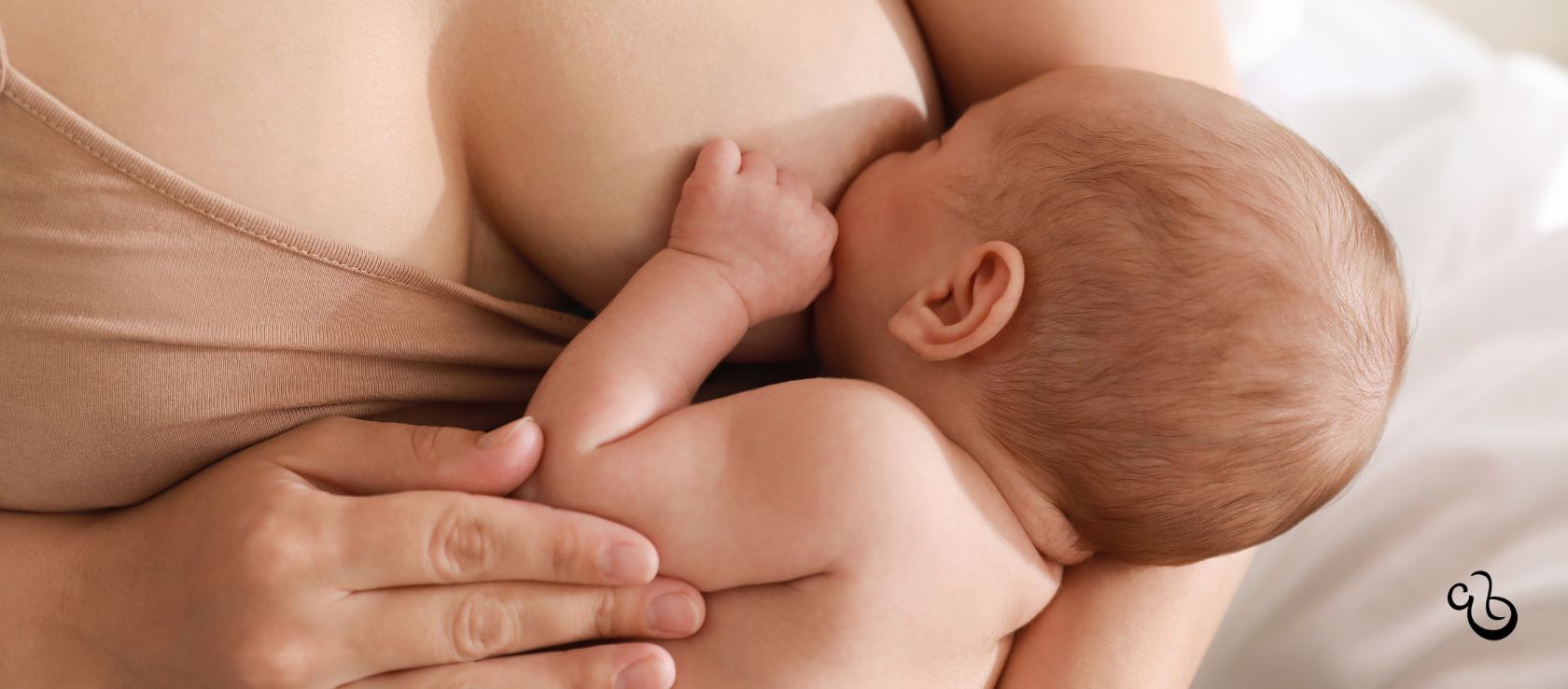
Breastfeeding Support UK: Tips, Comfort & Self-Care for New Mums

Breastfeeding is one of the most natural things in the world, but let's be honest, it doesn't always feel that way at 3am.
Some feeds will be blissfully calm. Others? You might be Googling latch technique with one hand while your baby protests loudly. Every mum's journey looks different, and that's completely normal.
If you're searching for breastfeeding support in the UK, you're not alone and help is closer than you think. The right breastfeeding tips for new mums can genuinely shift things: a slight position change, a deeper breath, a moment to pause and adjust.
But here's what we've learned: feeding your baby is only part of the picture. Breastfeeding self-care – the bit where you actually look after yourself – matters just as much. Lighting a baby-safe candle while you settle in. Massaging your shoulders with a soothing oil. Giving yourself permission to rest, even for five minutes.
These aren't luxuries. They're the small, grounding rituals that help you stay present, softer with yourself, and (dare we say it) even enjoy some of these fleeting early moments.
Common breastfeeding challenges (and how to ease them)
Cracked or sore nipples
A bit of tenderness in the first few weeks? Completely normal. But when nipples start cracking or feeling properly sore, feeding can go from tender to dreaded fast. That's where nipple care during breastfeeding becomes essential and a few gentle adjustments really can help.
Try tweaking your baby's latch or shifting position slightly. Use soft, breathable cotton pads between feeds and keep the area clean and dry without overdoing it.
When it comes to cracked nipples remedies, many mums reach for a natural nipple balm. Our Pregnancy Wonder Balm is packed with shea butter and vitamin E, giving instant comfort with no synthetic fragrance or lanolin. It's safe skincare for breastfeeding, gentle enough to use anywhere (nipples, lips, hands) and completely safe while feeding.

Blocked ducts or mastitis
Sometimes milk builds up in one area, leaving you with a firm, tender lump or a patch of redness. It's often down to a missed feed, tight clothing, or pressure from a bra strap digging in.
The fix? Feed often, starting on the affected side, and gently massage toward the nipple to help things move along. A warm compress before feeding helps too, as does rest, water and not trying to be superhuman.
If you start feeling feverish, shivery or like you're coming down with flu, don't wait, call your GP or midwife for breastfeeding support in the UK. Mastitis needs prompt attention.
Low milk supply worries
This is one of the biggest worries new mums have and in most cases, your body is doing exactly what it's supposed to.
Frequent feeding, staying hydrated and keeping stress in check all help keep your supply steady. Skin-to-skin contact and feeding on demand teach your body to tune into your baby's rhythm naturally.
If the worry won't shift, talk to your midwife, health visitor or a lactation consultant. They can offer real reassurance and practical breastfeeding tips for new mums that actually work. Often, just knowing how to make breastfeeding easier starts with having someone listen.
Engorgement or discomfort
When your milk first arrives, your breasts can feel heavy, swollen, sometimes painfully so.
A warm compress or shower before feeding helps encourage flow; a cool cloth afterwards soothes the swelling. Gentle massage from your chest toward the nipple can relieve pressure, and expressing a little milk by hand helps if you need it.
Most of all? Regular feeds and a bit of calm help your body settle into its own rhythm. That's where breastfeeding and relaxation come in — they're more connected than you might think.

Fatigue and emotional overwhelm
Night feeds. Hormones. The kind of tiredness that makes you even cry at adverts.
You're not failing. You're not doing it wrong. This bit is just hard but it won't last forever.
Small rituals can hold you: dimming the lights, taking three slow breaths, or lighting a baby-safe candle with calming camomile and lavender before you settle in. Learning how to relax while feeding isn't a nice-to-have, it genuinely helps your body respond and your mind settle.
And that breastfeeding self-care? It's not selfish. It's survival. Whether it's postpartum self care through nourishing skincare, relaxation while breastfeeding with a calming scent, or simply giving yourself permission to rest, these tiny moments of calm make a real difference to your mental wellbeing when everything else feels overwhelming.
Building a calm breastfeeding routine
Your environment matters just as much as your latch. Stress can actually interrupt the "let-down" reflex that releases milk, while a sense of safety and calm helps your body respond more easily. Understanding how to make breastfeeding easier often starts here, with the space around you.
Create a small feeding nook, somewhere you feel cocooned and held. Keep a glass of water within reach, a soft blanket nearby, and a candle flickering gently in the background.
Choose a scent that helps you unwind: try our blend of lavender, petitgrain and lemon in the Pregnancy Candle Collection. This is breastfeeding and relaxation in its simplest, most grounding form, slowing down, soft light, steady breath, and quiet connection.
Little by little, this corner becomes a sanctuary: a space for you and your baby to rest, recover and bond. It's one of the most powerful breastfeeding tips for new mums, because how to relax while feeding is all about creating less noise around you.
If you're looking to treat yourself or a new mum friend, our Pregnancy Gift Sets make a thoughtful way to begin your breastfeeding self-care ritual. They're also a lovely gesture if you know someone searching for breastfeeding support in the UK, sometimes a small act of care says everything.
Skincare and nipple care for breastfeeding mums
Your skin is more absorbent after birth, and babies' skin is delicate too. That's why choosing safe skincare for breastfeeding matters, not just for you, but for the little one nuzzling against you all day.
While most topical products are safe, it's wise to avoid harsh synthetics like parabens, sulphates, artificial fragrance and retinoids. Always check labels, especially on anything used near the breast, and steer clear of products that tingle, tighten or feel overly perfumed.
Thoughtfully chosen, naturally inspired ingredients can soothe and protect without compromise. Plant oils like shea butter, jojoba and sweet almond soften skin without blocking pores, exactly what you need for gentle postpartum self care.

Our Wonder Balm was created with these principles in mind. It's a natural nipple balm and multitasker that restores calm to dry or irritated skin anywhere on your body. Because it's free from synthetic fragrance, parabens and mineral oils, you can apply it freely before or after feeding with complete peace of mind.
Whether you're dealing with cracked nipples remedies or simply want to nourish tired skin, it's the kind of product that fits quietly into your nipple care during breastfeeding routine and feels like a small, soothing ritual every time you reach for it.
This is relaxation while breastfeeding made tangible: caring for your body so you can be fully present with your baby.Self-care beyond feeding
Self-care beyond feeding
Nourishing your baby also means nourishing yourself.
- Postpartum self care is as much about rest and emotional gentleness as it is about physical healing.
- When you can, stretch gently – even two minutes of shoulder rolls or deep breathing between feeds eases tension.
- A warm bath (once your body has healed) can feel like a small luxury; soft lighting and a natural candle turn it into a mini-retreat.
- Eat food that actually replenishes you, and don't hesitate to ask for help with meals or chores. You're not supposed to do this alone.
For broader wellbeing support, explore our healthy pregnancy guide and new mum gifts UK blogs — they're filled with nurturing ideas for every stage of motherhood, including more breastfeeding tips for new mums and gentle ways to look after yourself.

When to seek breastfeeding help
If you're experiencing persistent pain, bleeding, blocked ducts or worry about your supply, reach out early. You don't need to push through alone.
Your midwife, health visitor or a certified lactation consultant can observe a feed and help with latch, position or technique often a small tweak makes all the difference.
Breastfeeding support in the UK is more accessible than you might think. The NHS offers free support through local infant feeding teams, and organisations like La Leche League and the National Breastfeeding Helpline (0300 100 0212) provide advice by phone or online, day or night.
Asking for help isn't failure, it's one of the smartest breastfeeding tips for new mums there is. You deserve to feel comfortable and confident while feeding your baby.
Here are the FAQs rewritten in Cradle & Tonic's tone — brief, warm and useful:
FAQs
What helps with sore nipples while breastfeeding?
Check your baby's latch first as a good latch prevents most soreness. Between feeds, apply a breathable, natural nipple balm like our Wonder Balm and let nipples air dry. It soothes delicate skin and is completely safe for breastfeeding.
How long will cracked nipples take to heal?
With the right latch and gentle nipple care during breastfeeding, most cracked nipples heal within a few days to a week. Keep the area clean and dry, feed from the less sore side first, and use a natural balm like [Pregnancy Wonder Balm](product-link) to support healing. If pain continues, speak to your midwife or lactation consultant.
Is it safe to use skincare while breastfeeding?
Yes, as long as products are free from harsh chemicals, synthetic fragrances and retinoids. Choosing **safe skincare for breastfeeding** protects both you and your baby's delicate skin. All Cradle & Tonic products are pregnancy- and postpartum-safe, offering gentle care when your body needs it most.
What is the 5-5-5 rule for breastfeeding?
It's a simple guide for storing expressed breast milk safely:
- 5 hours at room temperature
- 5 days in the fridge (below 4°C)
- 5 months in the freezer
Always use sterilised containers, label with the date, and warm gently (never in the microwave) when ready to use.
Do breasts feel warm when milk comes in?
Yes, it's completely normal for breasts to feel warm, full or slightly tender when your milk arrives, usually two to five days after birth. This warmth happens as blood flow increases and milk production kicks in.
A gentle massage, warm compress or soothing shower can ease any tightness.
Can breastfeeding make you tired?
Absolutely. Producing milk and feeding around the clock uses real energy, and hormonal shifts can leave you feeling drained.
This fatigue is your body asking for rest and nourishment. Nap when you can, stay hydrated, and don't underestimate small breastfeeding self-care rituals – lighting a baby-safe candle, stretching between feeds, or taking a few quiet breaths can help you recharge.

How can I relax during night feeds?
Keep lights dim, have water within reach, and focus on slow breathing. A soft scent or gentle music can help you both wind down. Try lighting our Pregnancy candle with calming lavender or petitgrain — a simple act of breastfeeding and relaxation that helps you settle back to sleep afterwards. Learning how to relax while feeding really does make the night feeds feel gentler.
How can I make breastfeeding easier?
Start with comfort for both of you. A good latch, supportive position and calm environment make all the difference. Keep water close, use cushions to support your arms, and take slow, deep breaths to help milk flow naturally.
Creating a peaceful routine – soft blanket, low lighting, a candle – turns feeding into a moment of calm rather than a task. Be patient with yourself as you learn together. These are the simplest breastfeeding tips for new mums that truly help with how to make breastfeeding easier.
Is it normal to feel emotional while feeding?
Completely normal. Hormones released during breastfeeding, especially oxytocin, can bring waves of emotion, from calm and connection to tears or frustration. It's all part of the adjustment.
If emotions feel overwhelming, talk to your midwife, health visitor or GP. And remember small acts of kindness toward yourself: rest, nourishing food, time to breathe.
Breastfeeding support in the UK is available through your midwife, the NHS and helplines like the National Breastfeeding Helpline (0300 100 0212) whenever you need reassurance.
When should I get help with breastfeeding?
If you experience cracked nipples, blocked ducts, mastitis symptoms or anxiety around feeding, reach out early. Contact your midwife, health visitor, or the National Breastfeeding Helpline (0300 100 0212).

A reminder: you're doing beautifully
Breastfeeding may be instinctive, but it's also learned — and learning takes time. Some days you'll nail it. Other days you'll wonder if you're getting anything right.
Both are completely normal.
Every feed – the smooth ones and the messy, tearful ones – strengthens the bond between you and your baby. And here's something worth remembering: looking after yourself is looking after them.
Light a candle. Rub a bit of balm into tired skin. Take one proper breath.
Explore our range of pregnancy-safe skincare and candles designed to bring calm and comfort to your breastfeeding self-care routine. These aren't luxuries — they're the small rituals that help with how to make breastfeeding easier, not by fixing your baby, but by being kinder to yourself.
Because motherhood should feel cared for — in every sense.